


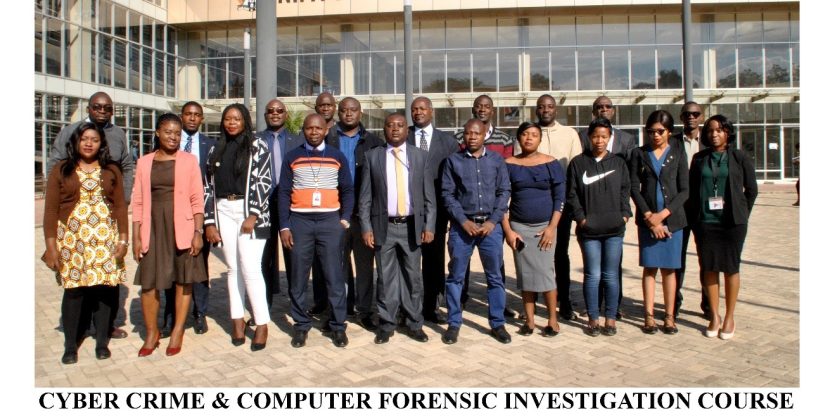
This course teaches participants how to obtain, preserve and document evidence from digital electronic devices. The course equips participants with knowledge and skills on how to identify methods used and system vulnerabilities which can be secured to prevent loss or damage. It provides the relevant skill set needed to carry out high level investigative operations in an event of a breach. The duration of the course is ten (10) days.
Aim of the Course
This course teaches participants how to obtain, preserve and document evidence from digital electronic devices. The course equips participants with knowledge and skills on how to identify methods used and system vulnerabilities which can be secured to prevent loss or damage. It provides the relevant skill set needed to carry out high level investigative operations in an event of a breach. The duration of the course is ten (10) days.
Target Group
The course is of particular interest to members of the public and all Private Investigators, Prosecutors, Information Technology Specialists and law enforcement officers.


Entry Requirements
In order to get admission into this course, one must be a holder of a degree, diploma or certificate in a related field of study. However, they should be holders of at least a Grade 12 Certificate.
What is taught?
The subjects covered under the Cybercrime and Computer Forensic Investigations are as highlighted below;
- Electronic Communications and Transactions in Zambia
- Computer Crime
- Basic Forensic Principles
- General Computing Principles
- Search and Seizure of Computers
- Collection of Evidence from a “Live” System
- Forensic Imaging and Verification
- Data Recovery and Analysis
- Investigative Techniques
- Encryption
- Extensive “Hands-On” Laboratories
Attendance
During the Cybercrime and Computer Forensic Investigations Course, attendance to lecturers and participation to exercises is compulsory for all course participants. It is the basis upon which performance will be assessed and is the key to successful completion of the programme.
Classes are usually conducted from morning to afternoon. Changes in the timetable are communicated to the participants in advance